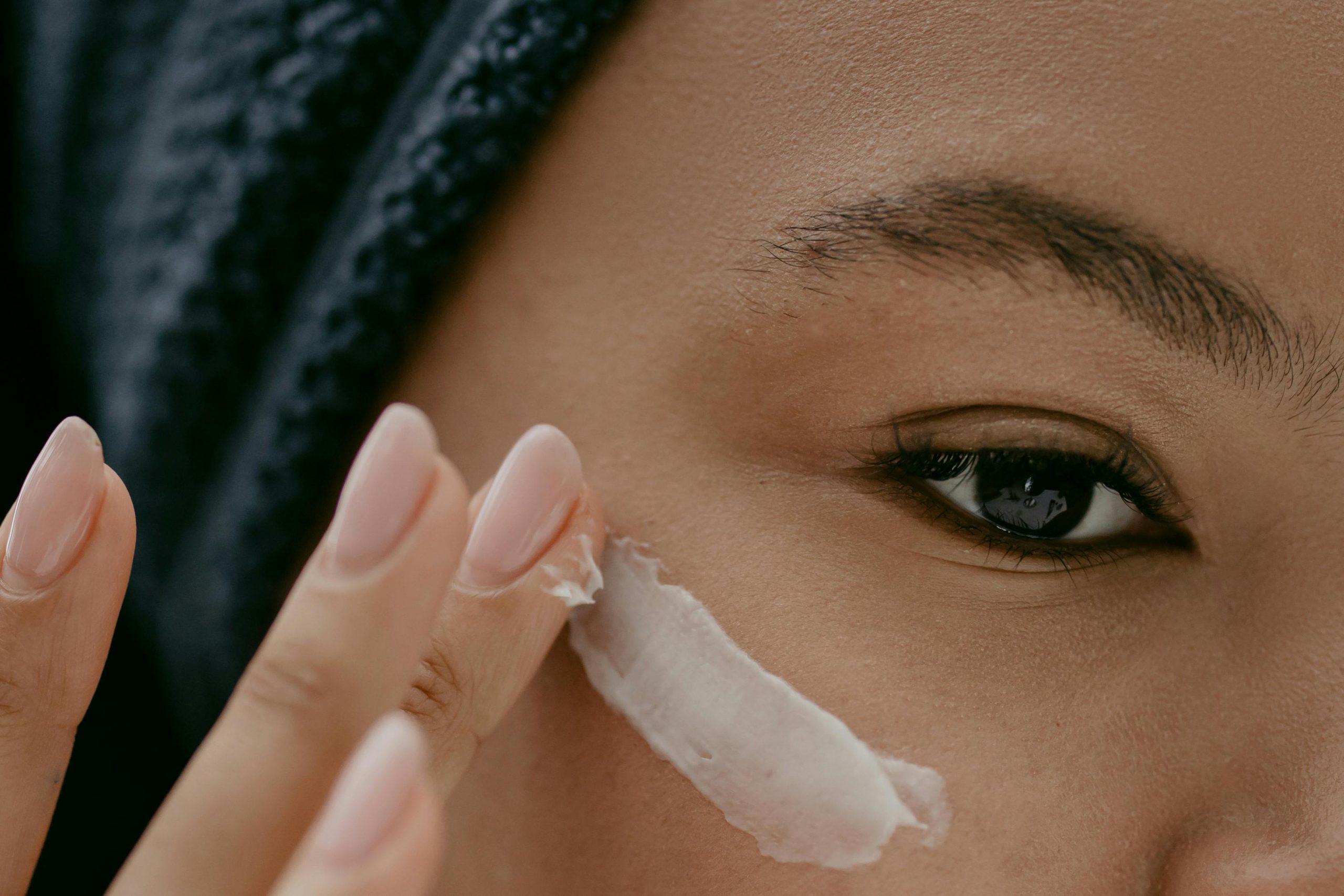
What Do Peptides Do for the Skin?
Peptide therapy helps the skin rebuild collagen, improve firmness, reduce wrinkles, strengthen the skin barrier, and support overall skin repair.
They act as signals that tell skin cells to regenerate and restore structural proteins that keep skin smooth, firm, and healthy.
Because collagen production declines with age, peptides have become one of the most effective tools in both medical-grade skincare and advanced aesthetic treatments for improving visible signs of aging and supporting long-term skin health.
What Are Peptides?
Peptides are short chains of amino acids, which are the building blocks of proteins.
Your body uses peptides to create essential proteins in the skin, including:
- Collagen, which provides firmness and structure
- Elastin, which allows skin to stretch and return to its shape
- Keratin, which protects the outer skin barrier
Peptides function as messengers.
They signal your skin to perform important repair and regeneration processes.
When peptide levels decline with age, the skin loses firmness, develops wrinkles, and becomes thinner.
Supporting your skin with peptides helps restore these natural regenerative processes.
How Do Peptides Work in the Skin?
Peptides communicate with fibroblasts, which are the primary cells responsible for producing collagen and elastin.
When peptides reach the skin, they signal fibroblasts to:
- Increase collagen production
- Improve elastin formation
- Strengthen the skin barrier
- Repair damaged tissue
This helps improve skin structure from within, rather than only improving surface hydration.
Over time, this leads to smoother, firmer, and healthier-looking skin.
What Do Peptides Do for the Skin? Key Benefits
Peptides provide several powerful benefits that improve both the appearance and function of your skin.
Increase Collagen Production
Collagen is the most important protein for maintaining youthful skin.
Beginning in your mid-20s, collagen production gradually decreases.
Peptides stimulate collagen production, which helps:
- Reduce wrinkles
- Improve skin firmness
- Restore skin thickness
- Prevent sagging
This makes peptides one of the most effective tools for supporting anti-aging.
Reduce Fine Lines and Wrinkles
As collagen and elastin levels improve, the skin becomes stronger and more resilient.
Peptides help reduce:
- Forehead lines
- Crow’s feet
- Smile lines
- Crepey skin
This results in smoother, more youthful-looking skin over time.
Improve Skin Firmness and Elasticity
Peptides help increase elastin production, which improves your skin’s ability to stretch and maintain its shape.
This helps improve:
- Skin tightening
- Jawline definition
- Cheek firmness
- Overall skin resilience
Improved elasticity helps prevent further sagging.
Strengthen the Skin Barrier
Your skin barrier protects against moisture loss, irritation, and environmental damage.
Peptides help strengthen this barrier, allowing your skin to:
- Retain moisture more effectively
- Reduce sensitivity
- Improve overall skin health
A stronger barrier leads to healthier and more balanced skin.
Improve Hydration and Skin Texture
Peptides improve the skin’s ability to hold moisture, which makes the skin appear:
- Plumper
- Smoother
- More even
Better hydration also reduces the appearance of fine lines.
Support Skin Repair and Healing
Peptides help accelerate the skin’s natural healing processes.
This makes them beneficial for improving:
- Sun damage
- Skin thinning
- Rough texture
- Early aging changes
They support healthier skin regeneration over time.
Types of Peptides Used for Skin Rejuvenation
Different peptides serve different roles in skin health and repair.
Signal Peptides
Signal peptides tell the skin to produce more collagen and elastin.
Examples include:
- Matrixyl
- Palmitoyl peptides
These peptides are commonly used for improving wrinkles and firmness.
Carrier Peptides
Carrier peptides deliver important minerals to the skin, such as copper.
Copper peptides like GHK-Cu are known for supporting:
- Skin healing
- Collagen production
- Improved firmness
These peptides are widely used in regenerative treatments.
Enzyme Inhibitor Peptides
These peptides help slow the breakdown of collagen, allowing skin to maintain its structure longer.
This helps reduce visible aging.
Neurotransmitter-Inhibiting Peptides
These peptides help reduce muscle tension that contributes to expression lines.
Argireline is a well-known example used to soften wrinkles.
Injectable Peptides vs Topical Peptides
Peptides can be delivered through skincare products or through medical peptide therapy.
Topical Peptides
Topical peptides are found in creams and serums.
They help improve:
- Skin hydration
- Surface texture
- Early signs of aging
However, their penetration into deeper layers of the skin is limited.
Injectable Peptide Therapy
Injectable peptides work systemically and can support deeper regenerative processes.
This may help improve:
- Collagen production
- Skin thickness
- Skin repair
- Overall skin quality
Peptide therapy supports the body’s natural regenerative mechanisms from within.
At Nulevel Wellness Medspa in Gilbert, AZ, peptide therapy may be used as part of personalized treatment plans to support skin rejuvenation and healthy aging.
Peptides vs Retinol: Which Is Better for Skin?
Both peptides and retinol support skin rejuvenation, but they work differently.
Retinol works by increasing skin cell turnover, which helps improve texture and reduce wrinkles.
However, it can sometimes cause irritation, dryness, or sensitivity.
Peptides work by signaling collagen production and supporting skin repair without causing irritation.
They help strengthen the skin over time.
Many people benefit from using peptides alone or alongside other treatments depending on their skin type and goals.
How Long Do Peptides Take to Work for Skin?
Skin improvements from peptides occur gradually as collagen production increases.
Typical timeline:
- Weeks 2–4: Skin may appear more hydrated and smoother.
- Weeks 4–8: Early improvements in firmness and elasticity may become noticeable.
- Weeks 8–12: Reduction in fine lines and improved skin strength may occur.
- 3–6 months: Full improvements in skin quality and firmness may develop.
Consistency is important for optimal results.
Are Peptides Good for Aging Skin?
Yes.
Peptides directly address one of the primary causes of aging: collagen loss.
They help improve:
- Wrinkles
- Skin laxity
- Skin thinning
- Loss of firmness
Peptides support healthier skin structure and help slow visible aging.
What Skin Concerns Can Peptides Help Improve?
Peptides can help improve multiple common skin concerns, including:
- Fine lines and wrinkles
- Sagging skin
- Thin skin
- Loss of elasticity
- Rough skin texture
- Early signs of aging
They support overall skin health and structural integrity.
Are Peptides Safe for Skin?
Peptides are generally well tolerated because they naturally occur in the body.
They typically cause fewer side effects than more aggressive anti-aging ingredients.
When used under the guidance of a qualified provider, peptide therapy can be part of a safe and personalized skin rejuvenation plan.
Who Is a Good Candidate for Peptides?
Peptides may benefit individuals who want to improve:
- Aging skin
- Skin firmness
- Wrinkles
- Skin texture
- Overall skin health
They may be used for both prevention and treatment of visible aging.
How Peptide Therapy Supports Skin Rejuvenation
Peptide therapy supports the body’s ability to repair and regenerate skin tissue by improving collagen production and cellular repair processes.
By strengthening skin structure from within, peptides help improve skin firmness, resilience, and overall appearance.
At Nulevel Wellness Medspa in Gilbert, AZ, peptide therapy may be incorporated into customized treatment plans designed to support long-term skin health and rejuvenation.
Conclusion
Peptides play a critical role in maintaining healthy, youthful skin.
They help increase collagen production, improve firmness, strengthen the skin barrier, and support natural repair processes.
By improving skin structure and supporting regeneration, peptides help reduce wrinkles, improve elasticity, and enhance overall skin quality.
Whether used in skincare products or advanced peptide therapy, peptides provide a powerful option for supporting long-term skin health and rejuvenation.
FAQs: What Do Peptides Do for the Skin
Are amino acids or peptides good for skin?
Both amino acids and peptides are beneficial for skin, but peptides are typically more effective for improving visible signs of aging. Amino acids are the basic building blocks your body uses to create proteins like collagen and elastin. Peptides are short chains of amino acids that act as signals, telling your skin to produce more collagen, repair damage, and improve firmness. Because peptides actively signal skin regeneration, they play a more direct role in improving wrinkles, elasticity, and overall skin health.
Do peptides increase collagen in the skin?
Yes, peptides help increase collagen production by signaling fibroblast cells in the skin to produce more collagen. Collagen is essential for maintaining firm, smooth, and youthful-looking skin. As collagen levels increase, the skin becomes stronger and thicker, which helps reduce fine lines, improve elasticity, and prevent sagging.
Can peptides tighten skin?
Peptides can help tighten skin by improving collagen and elastin production. These proteins provide structure and elasticity, which are necessary for firm skin. As peptide activity supports these structural proteins, the skin may appear firmer, smoother, and more resilient over time. This can help improve mild skin laxity and early signs of aging.
How fast do peptides work for skin?
Some improvements in hydration and skin texture may appear within the first few weeks. However, collagen production takes more time. Many people begin to notice improvements in firmness and skin quality within 4 to 8 weeks, with more significant improvements developing over several months as collagen levels increase and the skin continues to repair itself.
What are the best peptides for skin?
Several peptides are commonly used to support skin rejuvenation. Copper peptides such as GHK-Cu help improve skin repair and collagen production. Matrixyl peptides help reduce wrinkles and improve firmness. Argireline helps reduce expression lines by relaxing facial tension. These peptides are widely used in skincare and peptide therapy to support healthier, more youthful-looking skin.
Are peptides safe?
Peptides are generally considered safe and well tolerated because they naturally occur in the body. They are less likely to cause irritation compared to many other anti-aging ingredients. When used appropriately and under the guidance of a qualified provider for peptide therapy, peptides can be a safe and effective option for supporting skin health and rejuvenation.