
Semaglutide and Exercise
Exercise plays a major role in helping you get the best results from semaglutide.
It helps you preserve muscle, lose more fat, improve energy and stamina, and maintain a healthy metabolism.
A combination of strength training, low-impact cardio, and proper hydration will support safe, steady progress.
How Exercise Works With Semaglutide
Semaglutide reduces appetite and helps regulate blood sugar, which leads to weight loss.
Because you’re eating less, your body has fewer calories to work with.
Without exercise, especially strength training, you may lose muscle along with fat.
Exercise helps balance this process by:
- Preserving lean muscle mass
- Supporting metabolic health
- Improving cardiovascular endurance
- Reducing inflammation and improving recovery
- Helping regulate blood sugar
- Increasing energy levels over time
You don’t need intense workouts to see benefits.
Small, consistent movement matters more than perfection.
Can You Exercise on Semaglutide?
Yes.
In fact, exercise is one of the best ways to support your results and prevent unwanted side effects like muscle loss, fatigue, and metabolic slowdown.
If you’re new to working out, start slowly.
If you’re already active, you can continue your routine while listening to your body and adjusting intensity as needed.
How Much Should You Exercise on Semaglutide?
A helpful target is:
- 150 minutes of low-impact cardio per week
- 2–3 strength training sessions per week
- Daily light movement, such as walking or stretching
If you can’t reach these numbers yet, start with 5–10 minutes and increase gradually.
The Best Exercises to Do While on Semaglutide
Let’s take a look at some of the most important exercises to do while on semaglutide:
1. Strength Training (Top Priority)
Strength training helps you keep the muscle you already have and build new muscle as you lose fat.
Good options include:
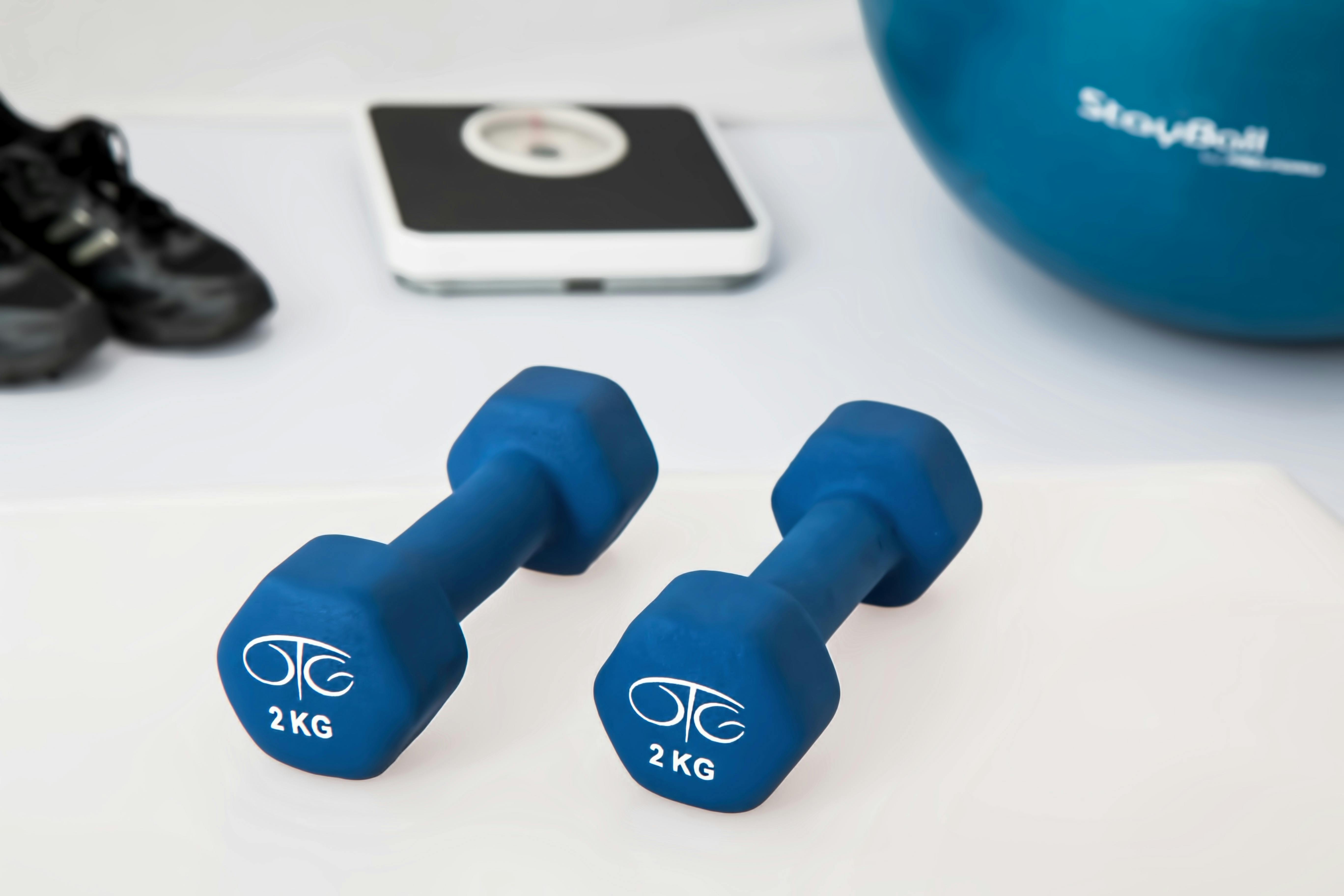
- Dumbbells
- Resistance bands
- Bodyweight training
- Machines at the gym
- Pilates
- Reformer classes
Key movements for full-body strength:
- Squats or chair squats
- Glute bridges or hip thrusts
- Rows (band or dumbbell)
- Chest press or push-ups
- Deadlifts or hinge movements
- Shoulder press
- Planks
2. Low-Impact Cardio
Low-impact cardio is easier on your joints and pairs well with semaglutide’s appetite-suppressing effect.
Try:
- Walking
- Cycling
- Swimming
- Elliptical
- Light hiking
3. High-Intensity Workouts (Optional)
If you’re already conditioned, you can keep HIIT in your routine, but lower the intensity if you feel lightheaded, nauseous, or overly fatigued.
4. Flexibility and Mobility
Stretching, yoga, and mobility work support joint health, posture, and recovery.
Sample Workout Plans You Can Follow While on Semaglutide
Here are a few sample workout plans you can use as a reference:
For Beginners
- Day 1: Full-body strength (20 minutes)
- Day 2: Low-impact cardio (20–30 minutes)
- Day 3: Rest or stretching
- Day 4: Full-body strength
- Day 5: Low-impact cardio
- Day 6: Optional walk or yoga
- Day 7: Rest
For Intermediate Exercisers
- Day 1: Upper body strength
- Day 2: Low-impact cardio
- Day 3: Lower body strength
- Day 4: Active rest (walking or yoga)
- Day 5: Full body strength
- Day 6: Cardio
- Day 7: Rest
10-Minute Starter Plan (If You’re Brand New to Exercise)
- 2 minutes: Easy walking or step taps
- 2 minutes: Bodyweight squats
- 2 minutes: Wall push-ups
- 2 minutes: Seated or standing rows with a band
- 2 minutes: Stretching
Consistency matters more than intensity.
Can You Exercise on the Same Day You Take Semaglutide?
Yes.
Most people can exercise normally on dose days.
If you tend to feel more nauseous after your injection:
- Exercise earlier in the day
- Choose gentler forms of movement
- Keep the session short
- Increase hydration before and after
There’s no need to avoid activity unless you feel unwell.
What to Expect When Exercising on Semaglutide
During the first few weeks, it’s common to notice:
- Lower energy
- Mild dizziness
- Reduced appetite near workouts
- Fatigue during high-intensity exercise
- Nausea if you push too hard
These usually improve as your body adjusts.
To support yourself:
- Keep workouts shorter if needed
- Prioritize strength over intensity
- Add electrolytes if you sweat regularly
- Eat a small protein-rich snack before exercise if tolerated
Hydration and Electrolytes: An Important Part of Exercising on Semaglutide
Semaglutide can reduce thirst, so dehydration is a hidden risk.
How Much Water Should You Drink?
Aim for at least half your body weight in ounces each day, and more if you’re exercising or live in a warm climate like Gilbert, AZ.
Signs You Need More Electrolytes
- Headaches
- Dizziness
- Muscle cramping
- Fatigue during workouts
- Feeling “off” even after drinking water
Electrolyte powders or drinks can help, especially on workout days.
What to Eat Before and After Exercise
Semaglutide can make it harder to eat enough, but small, balanced meals help fuel your workouts and support your metabolism.
Good Foods Before You Exercise
- Greek yogurt
- Half a banana
- A protein shake
- Handful of almonds
- Cottage cheese
Good Foods After You Exercise
- Protein shake with fruit
- Chicken or fish and vegetables
- Scrambled eggs
- Greek yogurt with berries
- Tofu stir fry
The goal is protein + hydration.
How to Prevent Muscle Loss While on Semaglutide
Muscle preservation is one of the most common concerns.
Focus on:
Strength training 2–4 days per week
The most effective way to maintain muscle.
Protein intake that supports your goals
Aim for 0.7–1 gram of protein per pound of your goal body weight.
Hydration + electrolytes
Especially important if you’re active.
Progressive overload
Gradually increase reps, weight, or resistance to maintain strength.
Common Mistakes to Avoid While Exercising on Semaglutide
Here are a few mistakes to avoid while exercising on semaglutide:
- Overdo cardio
- Skip strength training
- Exercise without eating or drinking anything
- Push through dizziness or nausea
- Force long workouts when your energy is low
Make sure you:
- Start slowly
- Prioritize strength
- Use light weights or bodyweight
- Break workouts into smaller sessions if needed
- Focus on feeling better, not doing more
When to Avoid Exercise On Semaglutide
Listen to your body and pause activity if you experience:
- Severe nausea
- Vomiting
- Extreme dizziness
- Rapid heartbeat
- Chest pain
- Fainting
- Sharp or unusual pain
If symptoms continue, check in with your provider.
How Nulevel Wellness Medspa Supports Your Weight Loss Journey
At Nulevel Wellness Medspa in Gilbert, AZ, we help you combine semaglutide with a balanced approach to exercise, nutrition, and wellness.
Our team works with you to protect your muscle, maintain your energy, and build a plan that matches your lifestyle.
Whether you’re new to exercise or restarting after a long break, we help you move at a pace that feels safe and sustainable.
Conclusion
Exercise and semaglutide work best when they support each other.
You don’t need intense workouts or long hours in the gym, just consistent movement, simple strength training, and habits that help you stay hydrated and fueled.
As your appetite shifts and your body changes, the right exercise plan helps you maintain muscle, protect your metabolism, and feel stronger throughout your weight loss journey.
Whether you’re just starting to move again or looking to refine your routine while using semaglutide, small steps make a big difference.
And if you want guidance tailored to your goals, Nulevel Wellness Medspa in Gilbert, AZ is here to help you stay supported, confident, and on track every step of the way.
FAQs: Semaglutide and Exercise
What not to do on semaglutide?
Avoid skipping meals, drinking too little water, overexercising, or doing long, intense workouts when your energy is low. It’s also best not to ignore symptoms like severe nausea, dizziness, or dehydration. Listen to your body and increase activity gradually.
How to speed up weight loss on semaglutide?
The safest way to support faster progress is combining semaglutide with strength training, daily movement, balanced meals, adequate protein, and proper hydration. Keeping muscle mass helps your metabolism stay stronger, which naturally supports better results.
Can I run while taking semaglutide?
Yes, you can run on semaglutide. Start slowly, especially if you experience nausea or reduced appetite. If running feels too intense at first, switch to walking or a run-walk routine until your energy improves.
How to keep energy up while on semaglutide?
Staying hydrated, eating enough protein, getting consistent sleep, and avoiding long gaps between meals can help. Light snacks before exercise, electrolytes, and gentle daily movement also support steady energy.
What kind of exercise is best while on semaglutide?
Strength training is the most important exercise because it protects muscle and supports your metabolism. Low-impact cardio, like walking, cycling, or swimming, pairs well with it. Flexibility and mobility work help reduce stiffness and support recovery.
What should you eat on semaglutide?
Focus on lean protein, vegetables, fruits, whole grains, and healthy fats. Smaller, more frequent meals often work well when your appetite is low. Protein shakes, yogurt, eggs, chicken, fish, tofu, and fiber-rich foods help keep you full and support muscle maintenance.
How much weight can lose on semaglutide?
Clinical studies show that semaglutide can lead to significant weight loss, with many participants losing around 10–15 percent of their body weight over time. Individual results vary based on dosage, consistency, eating habits, and lifestyle factors.
What are the benefits of tirzepatide vs semaglutide?
Tirzepatide supports weight loss through two hormone pathways instead of one, which may lead to greater appetite control and enhanced metabolic effects for some people. Semaglutide works through a single pathway but is still highly effective. The best option depends on your goals, tolerance, and clinical guidance.
What is the best injection for weight loss?
There isn’t one “best” injection for everyone. Options like semaglutide and tirzepatide are well-studied and effective, but the right choice depends on your health profile, how your body responds, and your weight loss goals. A personalized plan with a medical provider helps determine what will work best for you.